Elevating Aviation: AI and Machine Learning in Flight Logistics
Zero-margin-for-error operations demand zero-compromise technology.
Aviation operates in a domain Norseman knows intimately: zero-margin-for-error operations where every variable must be calculated, controlled, and acted upon in real time. It's the same operational intensity that defines defense — and it demands the same caliber of technology.
Artificial Intelligence, Machine Learning, and Deep Learning are no longer emerging capabilities in aviation. They are the new operational baseline. The carriers, MROs, and defense aviation programs that deploy them effectively will dominate. The rest will be grounded — figuratively and literally.
Predictive Maintenance: From Scheduled to Intelligent
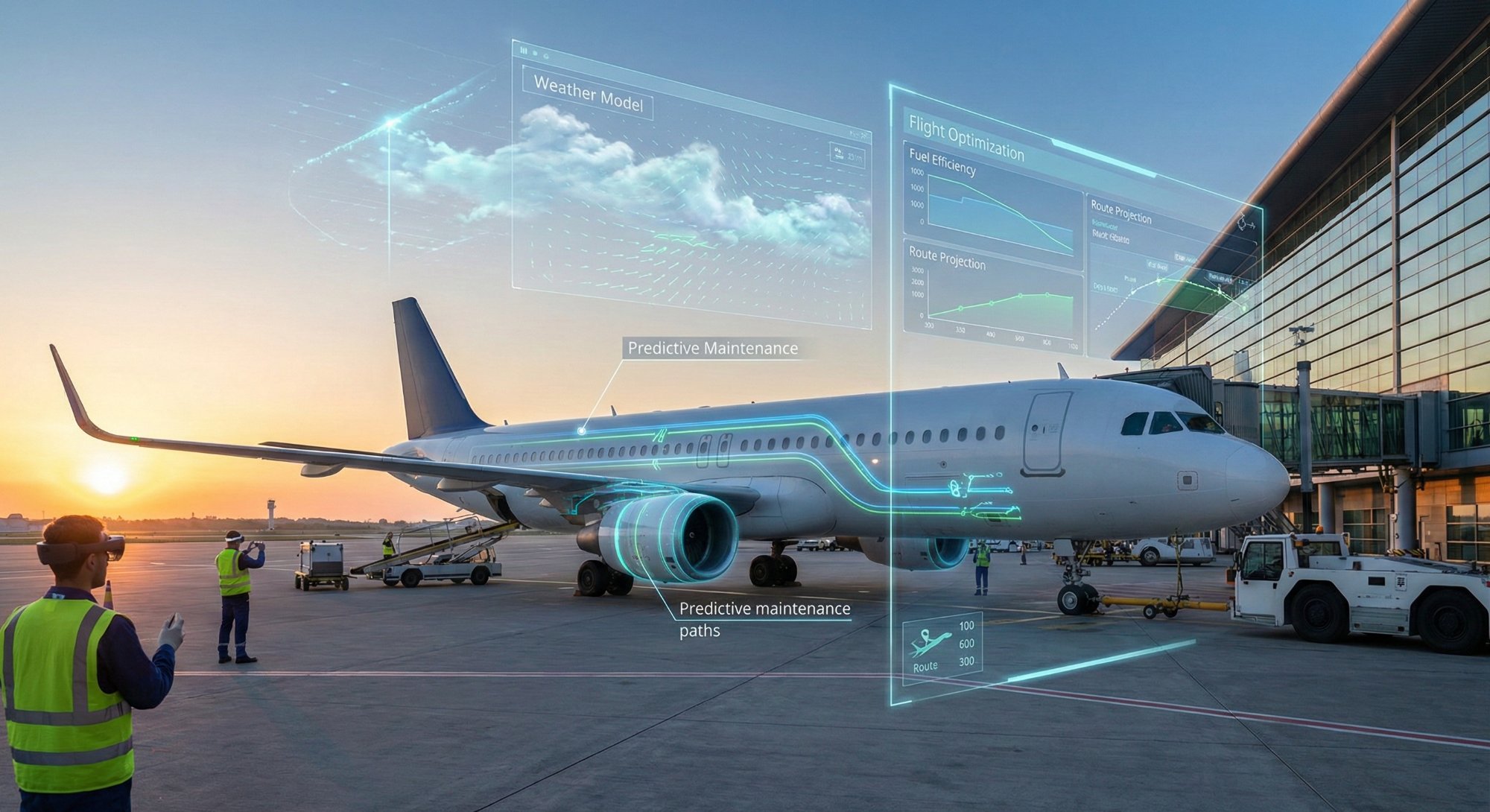
Traditional maintenance schedules are built on averages — average flight hours, average component life, average environmental conditions. But no aircraft operates in average conditions. AI-driven predictive maintenance replaces calendar-based guessing with data-driven precision.
- Real-time telemetry analysis. Machine learning models ingest engine performance data, vibration signatures, thermal readings, and fluid analysis results — identifying degradation patterns weeks before traditional inspection methods would catch them.
- Deep learning for anomaly detection. Neural networks trained on thousands of flight cycles learn what "normal" looks like for each specific airframe — and flag deviations that human inspectors and rule-based systems miss entirely.
- Maintenance-on-condition, not maintenance-on-schedule. The result is fewer unplanned groundings, reduced parts inventory costs, and aircraft that spend more time generating revenue and less time sitting in hangars. For military aviation, this translates directly to mission readiness and sortie generation rates.
Route Optimization: Decision Advantage at 35,000 Feet
Every flight is a logistics problem with hundreds of variables: weather systems, airspace restrictions, fuel prices, crew duty limits, gate availability, connecting passenger flows, and cargo commitments. AI doesn't just solve this problem faster — it solves a version of the problem that humans cannot compute at all.
- Dynamic route optimization. ML models that continuously recalculate optimal routes as conditions change — not once during flight planning, but continuously throughout the operation. Wind pattern shifts, airspace closures, and diversion scenarios are computed in seconds.
- Fuel burn prediction. Deep learning models that account for aircraft-specific performance characteristics, payload weight, atmospheric conditions, and historical fuel burn data to predict consumption with a precision that saves millions in annual fuel costs.
- Network-wide optimization. AI that doesn't just optimize individual flights but optimizes the entire network simultaneously — balancing crew positioning, maintenance windows, passenger connections, and revenue management across hundreds of daily operations.
Fleet Management: Commanding the Enterprise
Managing a fleet of aircraft shares more with managing a military force structure than most aviation executives realize. Both require real-time visibility, predictive logistics, and the ability to reallocate assets dynamically when conditions change.
- Digital twin technology. AI-powered digital replicas of each airframe that track component health, maintenance history, configuration status, and remaining useful life — giving fleet managers a common operating picture of their entire fleet in real time.
- AI-driven spare parts optimization. Machine learning models that predict parts demand based on fleet utilization patterns, seasonal trends, and supplier lead times — reducing AOG (Aircraft on Ground) events by ensuring the right parts are in the right location before they're needed.
- Crew and resource scheduling. Optimization algorithms that handle the combinatorial complexity of crew pairing, training requirements, rest regulations, and base assignments — a problem so computationally intensive that only AI can solve it at the scale modern carriers require.
The Infrastructure Behind the Intelligence
None of these capabilities exist without the right IT foundation. AI-driven aviation requires complex, purpose-built infrastructure that most IT providers aren't equipped to deliver:
- GPU compute at scale. Training deep learning models on flight telemetry datasets requires HPC-grade GPU infrastructure — the same NVIDIA platforms Norseman deploys for defense AI workloads.
- Real-time data pipelines. Telemetry data from engines, avionics, and ground systems must flow into ML models with minimal latency. Event-driven architectures and streaming data platforms replace the batch-processing approaches that introduce unacceptable delay.
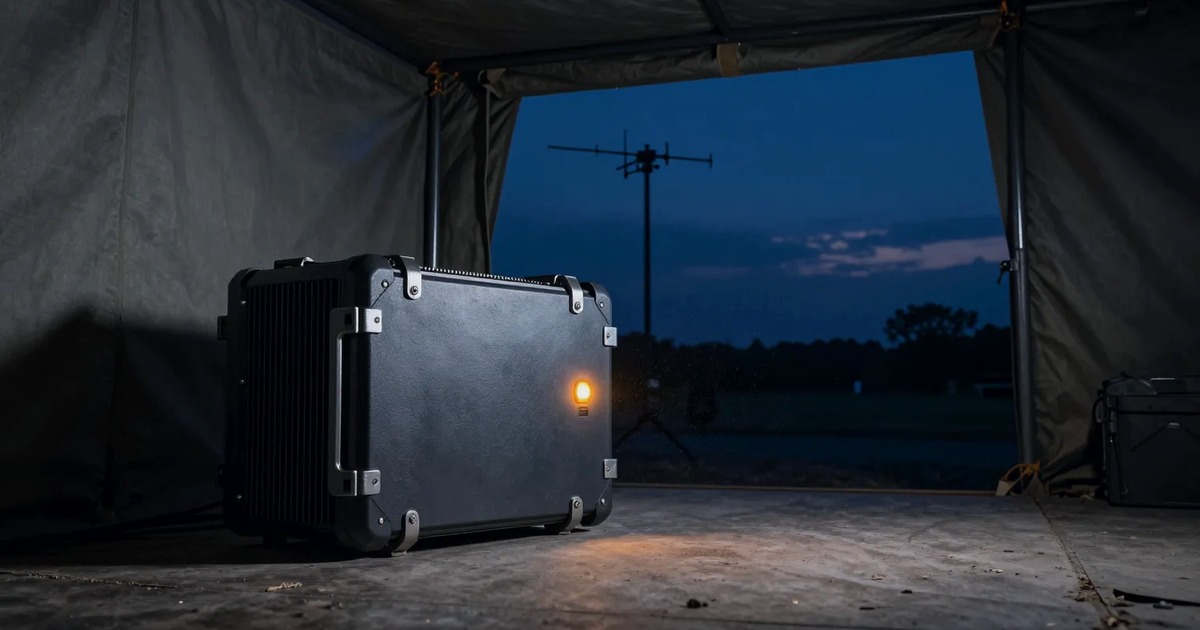
- Edge AI for flight operations. Not every computation can wait for the data center. Norseman's edge computing expertise — proven in tactical military environments — enables on-aircraft and on-tarmac AI inference where connectivity is limited or latency-sensitive.
- Cybersecurity for safety-critical systems. Aviation AI systems are safety-critical. The cybersecurity rigor that Norseman applies to classified defense systems — zero trust architecture, continuous monitoring, and supply chain security — is exactly what aviation AI infrastructure demands.
Why Norseman for Aviation
We didn't learn operational discipline in a boardroom. We learned it building systems where failure means mission failure. That same engineering culture now serves aviation customers who understand that their operations carry the same weight:
- Defense-grade AI engineering applied to commercial and military aviation — the same teams, the same standards, the same accountability.
- 300+ OEM partnerships including the compute, storage, networking, and AI platform vendors that aviation infrastructure demands.
- ISO 9001, ISO 20000, and ISO 27001 certified processes that align with the quality and security requirements of aviation regulatory frameworks.
- Proven edge computing capability from tactical defense deployments — directly transferable to flight line, MRO, and airport operations environments.
The Competitive Altitude
Superior data intelligence ensures that fleets remain in the air and operations run seamlessly. The carriers and defense aviation programs that invest in AI-driven infrastructure today are building an altitude advantage their competitors cannot close by simply buying software later.
The question isn't whether AI will transform aviation operations. It's whether you'll be the one leading that transformation — or reacting to it.
Explore our Applied AI & Data Analytics practice, Machine Learning use cases, or contact our team to discuss how Norseman can elevate your aviation operations.